|
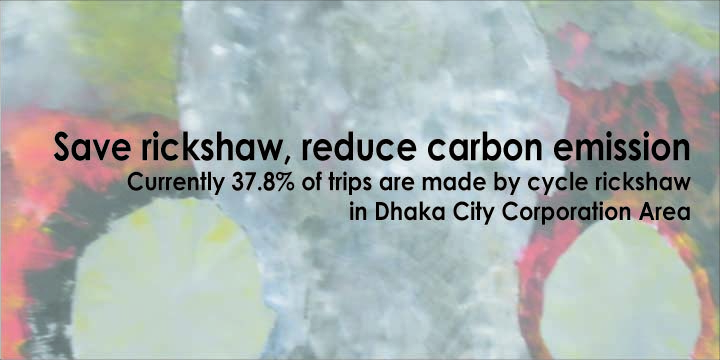
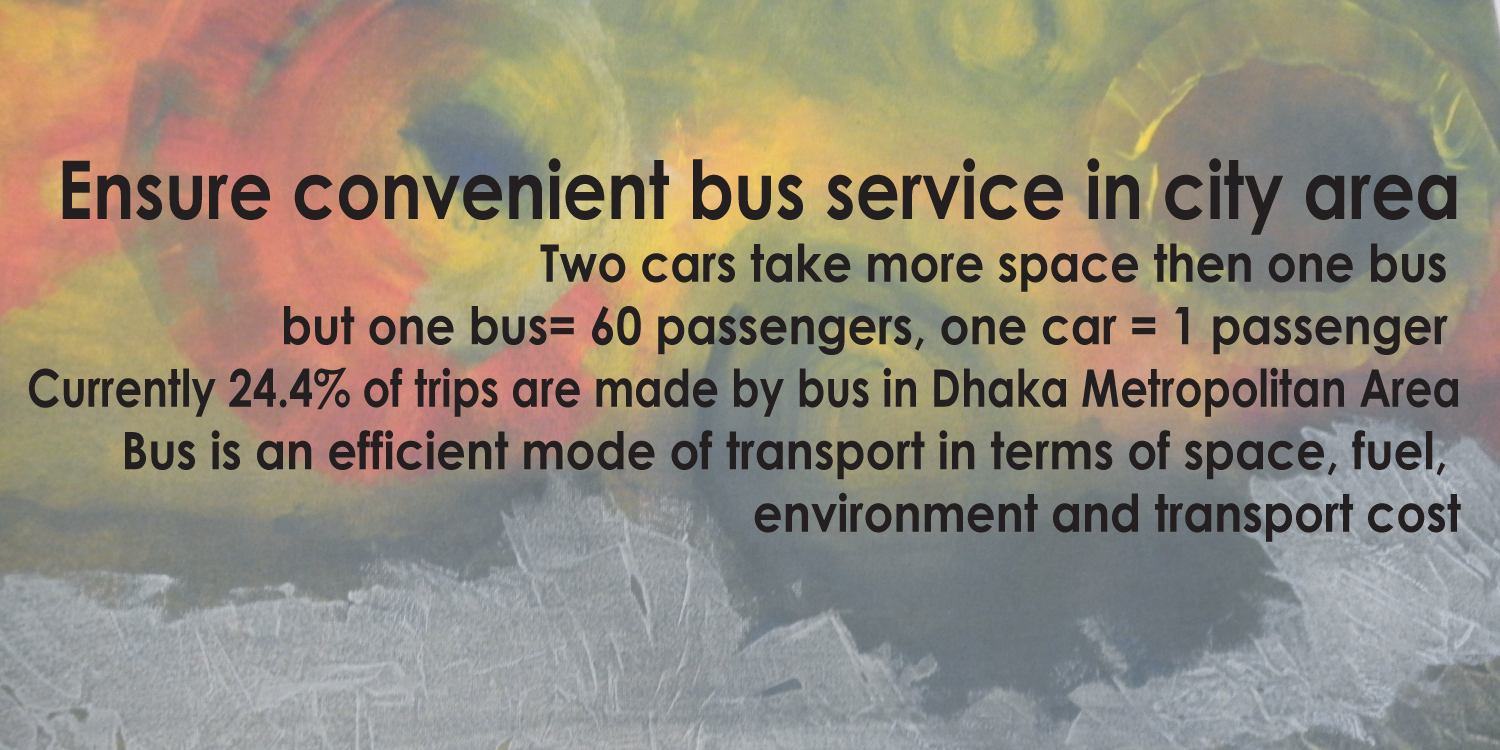
Two key approaches exist to reducing traffic congestion. One involves building more roads in order to accommodate ever more traffic. Yet in city after city which has tried this model, the result has been the same: more roads simply invite more traffic, and it is impossible for supply to keep up with demand. A second approach is to decrease demand through sensible urban planning, to encourage space-efficient modes (fuel-free transport such as walking, cycling, and cycle rickshaws) and public transit while discouraging cars. By reducing road space for cars and improving conditions for other modes, traffic congestion declines through a process known as traffic evaporation. Further benefits include enormous savings of money and space that can be better used elsewhere, decreased congestion, far fewer and less deadly traffic crashes, and more opportunities for physical activity and social interaction.
|
|
Read more...
|
|
|
WBB Trust believes that many difficult problems faced by people throughout the world are a result of societies that value money over people. If people were given key importance rather than money, and the standing of any individual country rated by how well its people are doing on a range of livelihood and quality of life issues rather than by GDP (production of goods, including harmful and useless ones) per capita, then it would be far easier to promote pro-people policies. In a society that valued people over money, gender issues would also play out very differently, as the traditional role of women in maintaining the home and caring for others would gain far more importance and recognition than currently. In order to achieve a more equitable society in different ways, including in terms of gender roles, WBB works to promote a society that values people over money, that encourages positive male behaviour and that values the unpaid work of women. In such a society, and in marked contrast to the present situation, people would be valued for the positive contributions they make to others or to society, and for the love and care they invest in their families and communities. Caring for others would thus gain an importance currently given to those who earn large sums of money (often without regard to the way in which they earn it). In such a society, men would be encouraged to join women in caring for others and for the community. |
|
Read more...
|
|
|
Work for a Better Bangladesh (WBB) is a non-profit, non-governmental organization whose goal is to improve public health and the environment through research, material development, advocacy, media work, capacity building of NGOs, and networking. Specifically, we seek to improve health, personal and national economy, and the environment by promoting non-motorized transport and public transit in place of private cars; by supporting policies to reduce active and passive tobacco use; and by reducing noise pollution and the use of disposable plastics and plastic bags. We also seek to improve the condition of all citizens by working for a more gender-equitable society and reducing violence against women.
Our mission is to empower citizens to work to improve their health and environment, and to make their surroundings more healthful and livable.
The main source of funding for WBB’s work comes from the Government of Canada provided through the Canadian International Development Agency (CIDA). Further financial support is provided by HealthBridge, the International Union Against Cancer (UICC), Research for International Tobacco Control (RITC) and the World Health Organization (WHO). In the past WBB has also received financial support from the American Cancer Society, the Advocacy Institute, and World Vision. |
|
|
While it is commonly believed that agriculture happens only in rural areas, in fact vast quantities of food are grown in cities, including such dense and modern ones as Beijing. When food is grown within city limits, cities acquire more green spaces and residents have more access to healthy, affordable produce. Growing food within a short distance of consumers reduces the need for long-distance shipping, thereby contributing to fresher food, lower fuel use, and a more direct relationship between growers and buyers.
|
|
Read more...
|
|
|
The Government of Bangladesh has taken strong initiatives to address environmental issues. These include the law banning polythene bags and regulations on noise pollution. But more effort is needed to ensure proper enforcement of existing laws and to draft legal measures to address other issues. The Environment Court is to date not properly utilized, yet represents an excellent opportunity for addressing environmental issues.
|
|
Read more...
|
|
 Water is the foundation of life, our most precious resource, without which we cannot survive. Proper sanitation is essential to a healthy existence. The two are also intimately connected, with improper sanitation being the key reason for the contamination of drinking water. Water and sanitation, though both essential to survival, do not receive equal attention. Many of those working on water prefer not to address the “dirty” issue of sanitation. Yet given the importance and complexity of resolving sanitation problems, more attention must be given to the issue. Only by addressing both can we make genuine progress. |
|
Read more...
|
|
|
In the view of many people, cities are congested, dirty, polluted and crime-ridden places to live. Traffic is terrible and quality of life low. Yet people continue to flock to cities due to the many advantages they provide in terms of employment, education, health care, and recreational and social opportunities.
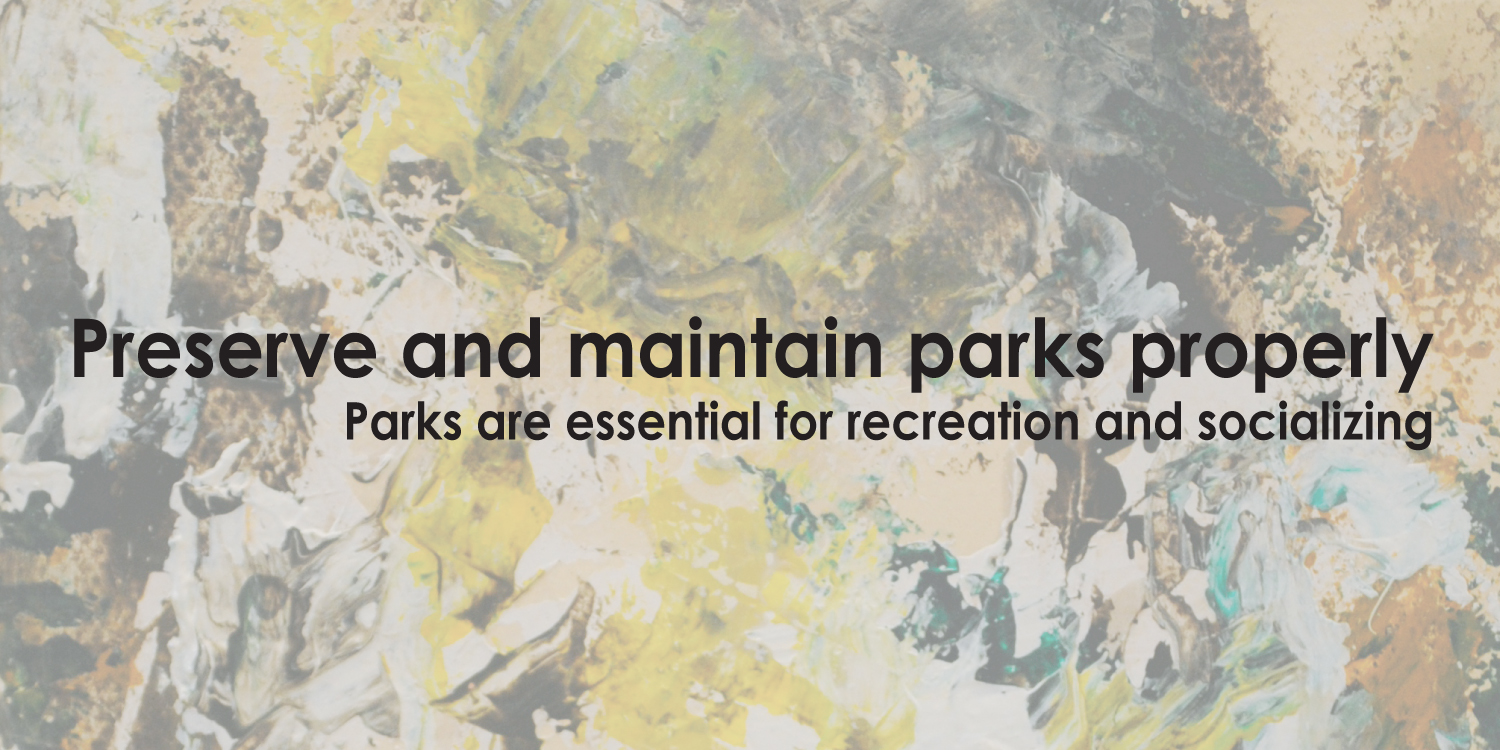
Could a different approach to urban planning restore quality of life for all city residents? What if nature were allowed back into cities, green spaces—for recreation and agriculture—restored, and safe and convenient travel by efficient and non-polluting means prioritized? WBB believes that such an approach, already being adopted in cities throughout the world, is the only solution to the many urban problems facing Dhaka and other Bangladeshi cities.
|
|
Read more...
|
|
|
WBB Trust has been working on tobacco control since its founding in 1998. The aim of our program is to support law and policy that will lead to population-wide reductions in tobacco use. International experience shows that only through laws and policies will large reductions in tobacco use occur. The key policies WBB Trust addresses are regular increase of taxes on tobacco products above inflation, banning of all forms of tobacco promotion and sponsorship, expansion of smoke-free public places, and strong, graphic warnings on tobacco packs.More recently WBB began working on health policy, specifically on the importance of prevention and the need to improve the quality of government services rather than privatize them.
|
|
Read more...
|
|
|
The movement of people and goods is a necessary part of life. Unfortunately, it can also take a devastating toll on the environment and on human life, using fuel that causes pollution and contributes to climate change, and injuring and killing people through road crashes.
Yet the situation could be much better. For long-distance movement, be it of people or goods, travel by train is far better than by plane, bus, truck or car on a variety of measures. Travel by train requires less expensive infrastructure and upkeep than roads and highways. It requires far less fuel per passenger. It is far more affordable for passengers. It requires far less road space. It is better for the environment as it uses less fuel. It is many times less likely to result in serious injury or death to passengers. And operating a rail service can provide much employment.
|
|
Read more...
|
|
|